What is Cupping Therapy? Benefits & Myths (Edmonton Guide)
Cupping therapy has been practiced for thousands of years, but in recent years, it’s become one of the most talked-about holistic treatments in Edmonton. From professional athletes to busy professionals, people are turning to cupping as a way to relieve pain, recover faster, and support overall wellness.
In this guide, we’ll cover what cupping therapy is, how it works, its top benefits, and common myths — plus why many Edmonton residents choose Strive Holistic for their sessions.
What is Cupping Therapy?
Cupping therapy is a technique that uses suction cups placed on the skin to create a vacuum effect. This gentle suction lifts the skin and tissues, improving circulation, releasing muscle tension, and stimulating natural healing.
At Strive Holistic in downtown Edmonton, our therapists often integrate cupping with massage for a comprehensive treatment that targets both surface tension and deep muscular tightness.
Benefits of Cupping Therapy
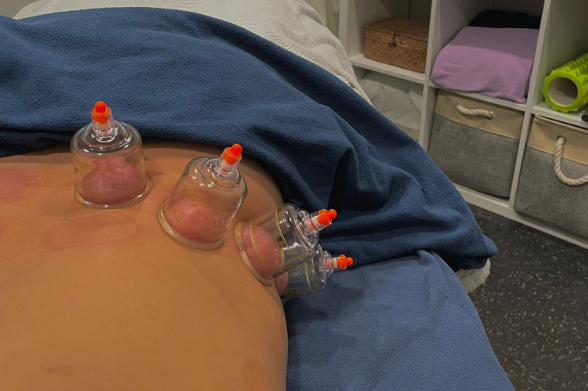
Many of our clients ask, “What does cupping actually do?” Here are some of the proven and most common benefits:
Pain Relief – By increasing blood flow to sore or tight muscles, cupping can ease discomfort in the back, shoulders, and legs.
Faster Recovery for Athletes – Local athletes, from hockey players to marathon runners, use cupping to recover between training sessions.
Reduced Inflammation – The suction stimulates the body’s natural anti-inflammatory response.
Stress & Tension Relief – Just like massage, cupping promotes relaxation and can help with overall stress management.
Improved Circulation – Enhanced blood flow means oxygen and nutrients reach the tissues more efficiently.
Common Myths About Cupping
Because of its growing popularity, cupping has also picked up a few myths. Let’s clear them up:
Myth 1: “Cupping is painful.”
✅ In reality, most people describe it as a relaxing, pulling sensation. Any marks left behind are temporary and usually fade within a few days.Myth 2: “Those marks are bruises.”
✅ The circular marks are not bruises — they’re the result of increased circulation to the area and are generally painless.Myth 3: “Cupping is only for athletes.”
✅ While athletes love it, cupping can help anyone with tension, stress, or chronic pain.
Why Edmonton Residents Choose Strive Holistic
At Strive Holistic Massage, we specialize in combining traditional techniques with modern therapeutic approaches. Our therapists can integrate cupping into a massage session for maximum benefit. Being located in Evolve Strength downtown makes us a go-to choice for Edmonton’s fitness community — but we also welcome anyone looking for natural pain relief or stress reduction.
Is Cupping Therapy Right for You?
If you’ve been curious about cupping therapy — whether you’re dealing with chronic pain, athletic recovery, or everyday stress — booking a session with a professional therapist is the best way to experience its benefits.
👉 Book your cupping therapy appointment in Edmonton today and see how this ancient technique can support your health and wellness journey.
Frequently Asked Questions About Cupping Therapy in Edmonton
How long do cupping marks last?
The circular marks left after cupping are not bruises. They’re the result of increased blood flow under the skin. For most people, they fade within 3–7 days. The exact time depends on your body’s healing speed and the intensity of the suction used.
How often should I get cupping therapy?
It depends on your goals. For athletes or those recovering from injury, weekly sessions may be recommended at first. For stress relief or general maintenance, many Edmonton clients schedule a session every 3–4 weeks. Your therapist will customize a plan based on your needs.
Is cupping therapy safe?
Yes — when performed by a trained professional, cupping is considered very safe. At Strive Holistic, our therapists are trained to assess whether cupping is right for you and adjust the suction level to your comfort. People with certain medical conditions (such as skin conditions, blood disorders, or pregnancy) should consult a healthcare provider first.
Does cupping therapy hurt?
Most people describe the sensation as a light pulling or pressure — not pain. Some clients even find it relaxing, similar to a deep tissue massage. The temporary marks left behind are painless.