Can Massage Help Carpal Tunnel?
Insights from Strive Holistic on Individualized Treatment for Lasting Relief
Carpal tunnel syndrome can significantly disrupt your daily activities, causing discomfort and limiting your mobility. If you are grappling with symptoms like numbness, tingling, or weakness in your hands, you may wonder if massage therapy could provide relief. Massage has been shown to reduce inflammation, improve circulation, and alleviate tension, making it a beneficial option for managing carpal tunnel syndrome.
At Strive Holistic, we understand that each individual has unique needs. Our tailored approach involves thorough assessment and personalized follow-ups to help you find effective treatment strategies that extend beyond the treatment room. By integrating massage therapy into your care plan, you can experience improved wrist and hand function, ultimately enhancing your quality of life.
Exploring the potential of massage therapy for carpal tunnel can open doors to non-invasive relief. You will learn how specific techniques can target symptoms and promote healing, enabling you to regain control and comfort in your daily activities.
Understanding Carpal Tunnel Syndrome
Carpal Tunnel Syndrome (CTS) occurs when pressure is applied to the median nerve, which runs through the wrist's carpal tunnel. Understanding the anatomy, common causes, and symptoms associated with CTS will help you recognize and address this condition effectively.
Anatomy of the Carpal Tunnel
The carpal tunnel is a narrow passageway located on the palm side of your wrist. It consists of bones and ligaments that encase the median nerve and several tendons. This tunnel is crucial for hand and finger movement, as the median nerve controls sensations and impulses to the thumb and first three fingers.
The rigid structure of the carpal tunnel means that any swelling or inflammation can lead to increased pressure on the median nerve. This can cause pain and reduce the function of your hand and wrist.
Common Causes of Carpal Tunnel Syndrome
Several factors can contribute to the development of Carpal Tunnel Syndrome. Some of the most common causes include:
Repetitive hand movements: Frequent typing or assembly line work can strain the wrist.
Injury: Fractures or trauma to the wrist can alter carpal tunnel dynamics.
Health conditions: Diabetes, rheumatoid arthritis, and hypothyroidism can increase your risk.
Pregnancy: Hormonal changes can lead to fluid retention and swelling.
Identifying these factors early can help you take preventive measures to protect your wrists.
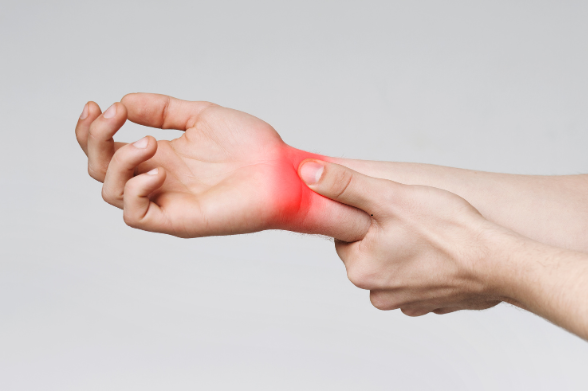
Symptoms to Recognize
Recognizing the symptoms of Carpal Tunnel Syndrome is essential for early intervention. Common symptoms include:
Numbness and tingling: You may feel these sensations, particularly in the thumb, index, middle, and part of the ring finger.
Pain: Discomfort can extend from your wrist to your fingers or even your arm.
Weakness: You might struggle to grip objects firmly due to reduced strength in your hand.
If you experience any of these symptoms consistently, consulting a healthcare professional can lead to proper diagnosis and treatment.
The Role of Massage in Treating Carpal Tunnel
Massage therapy plays a significant role in alleviating the symptoms associated with Carpal Tunnel Syndrome (CTS). It focuses on easing discomfort, improving function, and enhancing overall well-being.
Massage Techniques for Carpal Tunnel Relief
There are several effective massage techniques specifically designed for relieving Carpal Tunnel symptoms. Deep tissue massage targets the deeper layers of muscle and connective tissue, releasing tension that may be contributing to nerve compression.
Trigger point therapy focuses on identifying tense points in the forearm and hand muscles. By applying direct pressure, it can help alleviate pain and improve mobility.
Gentle stretching techniques can enhance flexibility and prevent the muscles from tightening. Incorporating myofascial release can also alleviate restrictions in the fascia surrounding muscles, promoting better blood flow and reducing inflammation.
Benefits of Massage for Carpal Tunnel Patients
Massage therapy offers numerous benefits for individuals suffering from Carpal Tunnel Syndrome. Primarily, it can significantly reduce pain and discomfort by increasing endorphin levels, which naturally alleviate pain.
Regular sessions can improve circulation, promoting healing in the affected areas. Increased blood flow helps reduce swelling and numbness in the hands and fingers.
Additionally, massage can help in enhancing muscle flexibility and strength, which are essential in recovery. Many patients report improved hand function and reduced disability in daily activities.
Incorporating massage therapy into your treatment plan may lead to a better quality of life and more effective management of Carpal Tunnel Syndrome symptoms.
Strive Holistic's Approach to Carpal Tunnel
At Strive Holistic, you receive a comprehensive and personalized approach to alleviating carpal tunnel syndrome. The focus is on your unique needs through detailed assessments and continuous support to ensure effective treatment outcomes.
Personalized Assessment and Treatment
Your journey begins with a thorough assessment that identifies the specific factors contributing to your carpal tunnel syndrome. This evaluation includes a detailed review of your medical history and a physical examination to gauge your symptoms.
Based on this assessment, a customized treatment plan is developed. Techniques may include targeted massage therapy to relieve muscle tension and improve circulation. Additionally, they may incorporate stretches and exercises tailored to strengthen your wrist and hand muscles.
This personalized strategy ensures that your treatment addresses the root causes of your discomfort rather than just the symptoms.
Ongoing Support and Follow-Ups
Continuous support is a cornerstone of Strive Holistic’s approach. After your initial treatment plan is established, follow-up sessions are scheduled to monitor your progress. These check-ins allow adjustments to your treatment as needed, ensuring optimal outcomes.
Your therapist will provide guidance on self-care practices and exercises to continue at home. This ongoing communication helps you stay informed and engaged in your recovery process.
By focusing on both immediate relief and long-term management, Strive Holistic empowers you to regain function and enhance your quality of life.
Complementary Therapies and Lifestyle Adjustments
Addressing carpal tunnel syndrome effectively involves more than just traditional treatments. Integrating complementary therapies and making lifestyle adjustments can significantly enhance your recovery and overall well-being.
Ergonomic Recommendations
Proper ergonomics play a crucial role in preventing and managing carpal tunnel syndrome. Ensure your workstation is set up to promote good posture. Position your keyboard at elbow height to keep your wrists neutral while typing.
Consider using a wrist support or ergonomic keyboard to reduce strain. Regular breaks are essential; aim for a five-minute break every hour to stretch your hands and wrists. Adjust your chair height so your feet rest flat on the ground, providing stability and reducing tension.
Exercises and Stretching
Incorporating specific exercises and stretches can relieve pressure on the median nerve. Start with wrist flexor stretches. Hold your arm straight with your palm facing down, using your other hand to gently pull back on your fingers.
Perform this stretch for 15-30 seconds, repeating it several times a day. Additionally, try hand exercises like squeezing a soft ball or spreading your fingers wide. These activities can enhance flexibility and strength, aiding in management of symptoms.
Nutrition and Supplementation
Diet can influence inflammation and nerve health, making nutrition an essential aspect of your management plan. Foods rich in omega-3 fatty acids, such as salmon and walnuts, may help reduce inflammation.
Incorporate antioxidants found in fruits and vegetables, particularly berries and leafy greens. Consider speaking to a healthcare provider about supplements like vitamin B6 or magnesium, as they may support nerve function. Staying hydrated is also vital, so drink plenty of water throughout the day.
Preparing for Your Massage Therapy Session
Before your massage therapy session, it’s essential to prepare effectively. This ensures you gain the most benefit from the treatment.
1. Arrive Early
Get to the clinic a few minutes early. This gives you time to fill out any necessary paperwork and discuss your specific needs.
2. Communicate Your Needs
Before the session starts, communicate your symptoms and any specific areas of discomfort. Clear communication helps the therapist tailor the massage to your needs.
3. Set Realistic Expectations
Understand that massage therapy can offer relief, but it may take multiple sessions. Results vary for each individual.
4. Hydrate
Drink plenty of water before your session. Staying hydrated helps your muscles respond better to treatment.
5. Avoid Heavy Meals
Try not to eat a large meal just before your appointment. A light snack is fine, but comfort during the session is important.
6. Relax and Breathe
Take a moment to calm your mind before the session begins. Deep, slow breaths can help ease any anxiety.
By following these preparation tips, you can enhance your massage therapy experience and maximize the potential benefits.
Maintaining Relief Beyond the Treatment Room
To maintain relief from carpal tunnel syndrome, integrate strategies into your daily routine. Massage therapy can provide temporary relief, but ongoing care is essential for long-term results.
Incorporate Stretching and Strengthening Exercises:
Wrist Flexor Stretch: Extend your arm in front, palm up. Use your other hand to gently pull back the fingers.
Wrist Extensor Stretch: Extend your arm with the palm down and gently press down on the hand with your other hand.
Make these stretches part of your daily schedule to keep your wrists flexible.
Adjust Your Work Environment:
Ergonomic Setup: Ensure your workstation is ergonomically friendly. Your wrists should be straight, and hands at or below elbow level.
Frequent Breaks: Take short breaks every hour to rest your hands and reduce strain.
Use Tools Wisely:
Wrist Supports: Consider wearing a splint while sleeping or during prolonged activities to minimize pressure on the median nerve.
Adaptive Devices: Look into ergonomic tools that can lessen the impact on your hands during daily tasks.
Stay Mindful of Posture:
Maintain a neutral wrist position during activities. Avoid bending your wrist excessively, especially if you are typing or using your phone.
By implementing these practices, you can help maintain relief from symptoms and support your overall wrist health.
When to Seek Further Medical Advice
If you experience persistent symptoms of carpal tunnel syndrome, it might be time to seek further medical advice. Consider consulting a healthcare professional if:
Symptoms persist despite massage therapy and home care.
You notice numbness or tingling worsening, especially in your fingers.
If your grip strength begins to decrease, or you struggle with daily tasks, further evaluation is necessary.
Be mindful of severe symptoms, such as:
Constant pain in the wrist or hand.
Loss of coordination while performing fine motor tasks.
In these cases, seeing a physician is crucial. A medical professional can perform diagnostic tests, such as:
Nerve conduction studies.
Electromyography (EMG).
These tests help assess the severity of your condition and tailor an appropriate treatment plan.
If you are also experiencing symptoms in other parts of your arm, such as the elbow or shoulder, it could indicate a more complex issue.
Seeking timely advice can prevent further complications and provide you with the best course of action for relief. Remember, your comfort and functionality are paramount.
Begin Your Healing Journey with Strive Holistic
Strive Holistic is dedicated to providing expert care tailored to your unique needs. Through personalized assessments, evidence-based massage techniques, and continuous support, we ensure you receive the relief and guidance necessary for lasting improvement. Beyond the treatment room, our therapists empower you with after-care strategies to maintain and enhance your results.
Don't let carpal tunnel syndrome hold you back—experience the transformative benefits of expert massage therapy today. Book your session at Strive Holistic and take the first step toward better mobility, comfort, and quality of life. Let us help you strive to reach your potential.
Frequently Asked Questions
You likely have questions about how massage therapy can address carpal tunnel syndrome. This section covers specific techniques, frequency of treatment, the potential for long-term relief, complementary therapies, associated risks, and signs of effective relief.
What specific massage techniques are effective for managing carpal tunnel syndrome symptoms?
Techniques such as deep tissue massage, and nerve gliding can help alleviate symptoms. These methods focus on reducing tension in the forearm muscles and promoting movement of the median nerve to decrease irritation.
How often should someone with carpal tunnel syndrome receive massages for optimal benefits?
It is typically recommended to receive massages 1-2 times a week, especially during the initial phase of treatment. Regular sessions can help maintain relief and support recovery, but frequency may vary based on individual needs and progress.
Can massage therapy provide long-term relief for carpal tunnel syndrome, or is it a short-term solution?
Massage therapy can offer both short-term and long-term benefits. While some individuals experience significant relief after a few sessions, consistent treatment may be necessary to manage symptoms effectively over time.
Aside from massage, what other complementary therapies might assist with carpal tunnel syndrome?
Complementary therapies include stretching exercises, splinting, and ergonomic adjustments at your workstation. These can enhance the effectiveness of massage therapy and lead to better long-term outcomes.
Are there any risks or side effects associated with using massage therapy to treat carpal tunnel syndrome?
While massage therapy is generally safe, there can be minor risks. You might experience temporary discomfort or soreness after a session. It’s important to communicate any discomfort to your therapist to adjust the technique accordingly.
What are the signs that indicate massage therapy is effectively alleviating carpal tunnel syndrome discomfort?
Signs of effective relief include decreased pain and numbness in your hands and fingers. Improved range of motion and reduced stiffness are also good indicators that massage is benefiting your condition.