The Benefits of Aromatherapy
Exploring the Benefits of Aromatherapy for Mind, Body, and Spirit with Grant Wilson
Aromatherapy is an ancient practice that utilizes essential oils (E.O.) to support various health concerns, enhancing relaxation, mental clarity, and overall wellness. These concentrated plant essences have been celebrated for their ability to promote balance for the mind, body, and spirit. At Strive Holistic, Grant Wilson, a Registered Acupuncturist and Aromatherapist, integrates this powerful therapy into wellness routines.
What Is Aromatherapy?
Aromatherapy involves the therapeutic use of essential oils (E.O.) to improve physical and emotional health. Its applications range from relaxation and cognitive therapy to overall wellbeing. Understanding the foundational elements, including the definition of essential oils and their historical significance, enhances your grasp of this holistic practice.
Defining Essential Oils
Essential oils are concentrated extracts derived from various parts of plants. They capture the plant's "essence," offering unique benefits based on their source. Common methods of extraction include:
Steam Distillation: Widely used for large-scale production.
Cold Pressing: Often applied to citrus peels, extracting oils without heat.
Solvent Extraction: Utilizes solvents to coax out the oil.
Each oil possesses distinct properties. For example, Basil E.O. is invigorating and stimulates focus, while Ravensara E.O. offers muscle relief. When selecting essential oils, consider their extraction method, applications, and safety guidelines. Always choose oils that align with your health goals.
Historical Use of Aromatherapy
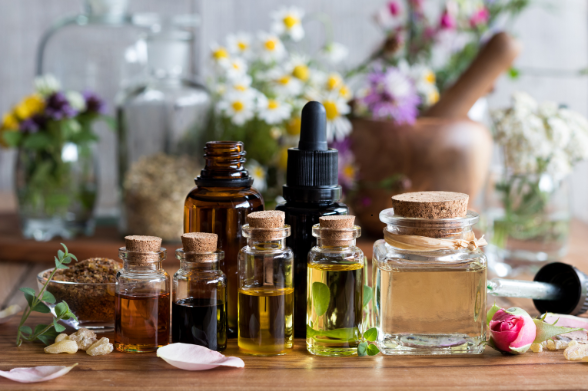
The practice of aromatherapy traces back thousands of years across various cultures. Ancient Egyptians utilized essential oils for medicinal, spiritual, and beauty purposes.
Egyptians: Used oils in embalming and rituals.
Chinese Medicine: Incorporated scents in healing practices.
Greeks and Romans: Explored aromatic use in baths and massages.
Throughout history, essential oils have been valued for their healing properties. In contemporary settings, aromatherapy is gaining recognition in wellness circles. This revival underscores the significance of ancient practices in modern health management. Embracing these traditions can support your journey towards improved wellbeing.
The Health Benefits of Essential Oils
Essential oils offer a variety of health benefits that can enhance your overall well-being. By tapping into the properties of these concentrated plant extracts, you can support your mind, body, and spirit effectively.
Relaxation and Stress Relief
Essential oils are renowned for their calming effects, which can significantly reduce stress and promote relaxation. Scents like lavender and chamomile have been linked to lower cortisol levels, helping you unwind after a long day.
Inhaling the fragrance of these oils can trigger a soothing response in the body, promoting better sleep quality. You may find diffusing these oils in your home or adding a few drops to your bath beneficial.
Application Tips:
Diffusion: Use a diffuser to disperse essential oils into the air.
Topical Use: Combine with a carrier oil for massage or apply to pressure points.
Cognitive and Emotional Support
Essential oils can play a vital role in cognitive and emotional health. Oils like rosemary and peppermint have stimulating properties that may enhance focus and concentration, making them ideal for study sessions or work tasks.
Alternatively, oils such as bergamot and frankincense can uplift your mood and alleviate feelings of anxiety. You can incorporate these oils into your daily routine by adding them to personal inhalers or applying them during meditation practices.
Suggested Oils for Cognitive Support:
Rosemary: Promotes memory and concentration.
Bergamot: Reduces stress and uplifts mood.
Physical Wellbeing and Body Care
Essential oils can also aid in physical health by addressing specific ailments. For instance, eucalyptus oil has anti-inflammatory properties that can help with respiratory issues, while ginger oil can alleviate nausea and digestive discomfort.
In terms of skincare, oils such as tea tree offer natural antibacterial benefits, making them effective for treating acne. Always remember to dilute oils with a carrier oil when applying to the skin to prevent irritation.
Benefits for Physical Use:
Muscle Relief: Use ravensare or peppermint oil for sore muscles.
Skin Health: Apply tea tree oil for its antibacterial effects.
By integrating essential oils into your wellness routine, you can harness their therapeutic benefits effectively. For personalized guidance, consider booking a consultation with Grant Wilson at Strive Holistic today.
How Essential Oils Work
Essential oils work through a combination of their extraction methods and the plant essences they embody. Understanding these processes can enhance your use of essential oils for various therapeutic benefits.
Extraction Methods
Essential oils are extracted from plants using various techniques. The most common method is steam distillation, where steam passes through plant material, vaporizing the volatile compounds. The steam is then cooled, and the oil separates from the water.
Other methods include cold pressing, primarily used for citrus oils, where the rind is mechanically pressed to release the oils. Additionally, solvent extraction involves using a solvent to dissolve the oil, which is then evaporated, leaving behind the concentrated essence.
Each method influences the quality and purity of the essential oil, meaning your choice can affect its therapeutic properties. Always consider the extraction method when selecting oils for use.
The Essence of Plants
Essential oils capture the essence of plants—an aromatic profile that reflects their unique characteristics. This essence comes from various plant parts, including leaves, flowers, roots, and fruits.
These concentrated compounds interact with the body's systems in specific ways. For example, Basil oil can enhance focus, while Ravensare oil may offer relief from muscle aches.
When choosing an essential oil, look beyond its aroma. Consider its chemical composition and whether it serves a specific purpose. Oils can have stimulating (Yang) or relaxing (Yin) properties, influencing how you use them in your holistic practice.
Applications of Aromatherapy in Mind, Body, and Spirit
Aromatherapy provides practical applications across various aspects of wellness, specifically targeting mental focus and physical support. You can use essential oils intentionally for specific purposes, enhancing your overall wellbeing.
Enhancing Mental Focus
Essential oils can significantly improve your concentration and mental clarity. Basil essential oil is known as a stimulating oil, making it an excellent choice for tasks that require focus, such as studying or computer work. Its refreshing scent helps invigorate your senses, which may boost cognitive performance.
Peppermint oil is another great option, often used to enhance alertness and energy. When you inhale its invigorating aroma, you might notice a sharp increase in your mental acuity.
To make the most of these oils, consider using a diffuser during study sessions or simply inhaling from the bottle. Topical application on pulse points can also support focus throughout the day.
Support for Muscles and Joints
When it comes to physical support, essential oils like Ravensara can aid in relieving muscle aches. This oil is effective whether used alone or diluted with a carrier oil for ease of application on sore muscles.
Oregano essential oil can offer additional support for joints. Applying it on the bottom of your feet may enhance absorption and efficacy. Always remember to check safety guidelines for each oil, especially when considering sensitivities or underlying conditions.
For effective use, combine these oils with gentle massage to help release tension and improve circulation. By focusing on specific areas of discomfort, you promote a soothing experience that benefits both the body and spirit.
Grant Wilson is a Registered Acupuncturist and Aromatherapist. Book a consult with him today at Strive Holistic.
Choosing and Applying Essential Oils
Selecting the right essential oils and knowing how to apply them properly is crucial for maximizing their therapeutic benefits. Understanding the characteristics of each oil and the appropriate methods for application can enhance your wellness journey.
Best Practices for Use
When choosing essential oils, consider their therapeutic properties and your specific needs. Look for oils that are 100% pure and therapeutic grade. This quality ensures that you are using products free from synthetic additives.
Safety is paramount; always conduct a patch test on your skin before full application. For sensitive areas, it’s wise to dilute oils with a carrier oil such as coconut or jojoba oil. Additionally, pay attention to factors like age, health conditions, and allergies when selecting oils.
Keep in mind that some oils may not be safe for certain populations. For example, avoid using peppermint oil on infants and consult a professional if pregnant.
Application Methods
There are several effective ways to apply essential oils, each differing in their absorption rates and benefits. Here are a few common methods:
Inhalation: You can use a diffuser to disperse oils into the air. This method works well for calming or energizing spaces.
Topical Application: Mix essential oils with a carrier oil and apply them to pulse points, such as wrists or temples. Essential oils like lavender can aid in relaxation when applied in this manner.
Bath Soaks: Adding a few drops of essential oil to your bath can provide a soothing experience.
Always refer to specific instructions for each oil and method to ensure safe practices. Taking these steps will help ensure you get the most out of your essential oils.
Book a consult with Grant Wilson today at Strive Holistic to explore how you can integrate essential oils into your wellness routine.
Essential Oil Safety Considerations
Using essential oils (E.O.s) can provide numerous benefits, but it's crucial to approach their use with caution. Understanding contraindications and their effects on hormonal regulation is vital for safe application.
Contraindications and Special Populations
Certain populations should exercise caution when using essential oils due to potential risks. Pregnant women, for example, should avoid specific oils like sage, which could affect fetal development.
Other high-risk groups include:
Children: Dilution is essential, as their skin is more sensitive.
Elderly individuals: They may have skin reactions or medical conditions that contraindicate certain oils.
People with allergies: Always conduct a patch test for new oils.
It’s advisable to consult with a qualified practitioner before using essential oils, especially if you have existing health conditions or are on medications.
Hormonal Regulation with Essential Oils
Essential oils can influence hormonal balance, particularly during significant life changes, such as menopause. For instance, sage essential oil can help regulate hormones by assisting the pituitary gland, potentially alleviating menopausal symptoms.
Other beneficial oils include:
Clary Sage: May help with mood swings and menstrual discomfort.
Geranium: Known to stabilize hormones and reduce emotional fluctuations.
Always consider the timing and application method. For hormonal shifts, topical application may offer localized benefits. Remember to focus on dilution to avoid skin irritation, using carrier oils when necessary.
The Science Behind Essential Oil Selection
Choosing the right essential oil involves understanding its active components and its energetic qualities. Both of these factors play critical roles in how essential oils can affect your health and well-being.
Active Plant Constituents
Essential oils are complex mixtures of various organic compounds, including terpenes, aldehydes, and esters. These active constituents determine the therapeutic properties of the oil. For example, linalool found in lavender is known for its calming effects, while menthol in peppermint serves as a powerful stimulant.
When selecting an essential oil, consider the following key components:
Chemical Composition: Look for oils with known therapeutic properties based on their molecular structure.
Source of Plant Material: Different parts of the plant, such as leaves or flowers, yield varying constituents.
Extraction Method: Methods like steam distillation can affect the purity and quality of the oil.
Understanding these factors can help you choose oils that will best meet your specific health needs.
Yin and Yang Properties
Essential oils can be classified according to their Yin (relaxing) and Yang (stimulating) properties. This classification impacts how they can be utilized in therapy.
Yin Oils: These essential oils are calming and help to soothe the mind and body. Examples include chamomile and sandalwood, which are often used to promote relaxation and reduce anxiety.
Yang Oils: These oils stimulate the senses and energize your body. Oils like eucalyptus and rosemary can improve focus and increase alertness.
Choosing oils based on their Yin or Yang qualities allows you to balance your emotional and physical states effectively. Assess your current needs and select oils that align with your desired outcomes for optimal benefits.
Integrating Ancient Traditions With Modern Lifestyles
Integrating ancient traditions into your modern lifestyle can be a fulfilling way to enhance your overall well-being. Aromatherapy, rooted in centuries-old practices, offers a practical approach to achieving balance in your daily life.
Essential oils (E.O.) are the essence of plants and can assist in various aspects of health. Consider these examples:
Basil E.O.: Promotes focus during computer work or exam study.
Ravensare E.O.: Provides relief for muscle aches when mixed with a carrier oil.
Lemon Balm E.O.: Calms the nervous system to dispel fear and grief.
When applying essential oils, remember their application methods. For instance:
Oregano E.O. works best when applied to the soles of your feet.
Safety is paramount. Always research and assess each oil’s suitability, especially for sensitive populations.
For your personal well-being, consider the specific benefits of different plant materials. Evaluate:
Does the oil contain beneficial plant parts?
Is it stimulating (Yang) or relaxing (Yin)?
By harnessing the power of aromatherapy, you can cultivate a lifestyle that respects ancient wisdom while addressing modern needs.
If you're interested in learning more about integrating these practices into your life, book a consultation with Grant Wilson, a Registered Acupuncturist and Aromatherapist at Strive Holistic.
Book with grant to experience acupuncture with aromatherapy
When you book an acupuncture session with Grant, you’ll receive the added benefit of aromatherapy included with your treatment. This unique combination maximizes the calming and healing effects of acupuncture, leaving you feeling rejuvenated and refreshed.
Ready to experience the ultimate in relaxation and wellness? Book your session today and see how this dynamic duo can elevate your self-care routine.
Frequently Asked Questions
Exploring the use of essential oils can enhance your understanding of their impact on holistic health. Here are some specific insights on extraction methods, applications, safety considerations, and their integration into your lifestyle.
What are the different ways essential oils can impact holistic health?
Essential oils can positively affect your mind, body, and spirit. They may promote relaxation, enhance cognitive function, and assist in physical recovery. Each oil carries unique properties that target specific health concerns.
How are essential oils extracted from plants?
Essential oils are typically extracted through methods like steam distillation and cold pressing. Steam distillation uses water vapor to capture aromatic compounds, while cold pressing mechanically extracts oils primarily from citrus peels. Both methods maintain the integrity of the essential compounds.
Can you give examples of how different essential oils are used for mental and physical well-being?
Basil essential oil can aid focus during study sessions or computer work. Ravensara is beneficial for easing muscle aches. Lemon Balm helps to calm the nervous system, potentially alleviating feelings of fear and grief.
What are the best practices for applying essential oils, and why do specific oils have preferred methods of application?
For effective use, consider the oil type and application method. For instance, applying oregano oil to the bottom of your feet may enhance absorption. Following recommended guidelines ensures that you maximize benefits while minimizing potential irritation.
What safety considerations should be taken into account when using essential oils?
Safety is paramount with essential oils. For example, sage oil should be avoided during pregnancy due to potential risks. Always research specific oils to understand their safe usage, especially in sensitive populations.
How does aromatherapy integrate with broader holistic treatments for a balanced lifestyle?
Aromatherapy works harmoniously with other holistic practices, such as acupuncture and meditation. By addressing multiple dimensions of health, you can achieve a more balanced lifestyle. This integration allows for a comprehensive approach to wellness.