Understanding Hormonal Imbalances
Symptoms, Causes, and Solutions Through Strive Holistic's Acupuncture and Massage Services
Hormonal imbalances can significantly impact your overall well-being, affecting everything from your mood to your physical health. Recognizing the symptoms, such as fatigue, mood swings, and irregular menstrual cycles, is the first step toward regaining balance. The causes can vary widely, including stress, lifestyle choices, and underlying health conditions, making it essential to address these issues comprehensively.
At Strive Holistic, you can find effective solutions to combat these imbalances. Our services, including acupuncture and massage, promote natural healing and help alleviate the stress that often exacerbates hormonal fluctuations. By focusing on holistic methods, you can restore harmony in your body and mind.
Understanding these imbalances is crucial for improving your quality of life. This article will guide you through the symptoms, causes, and practical solutions available to help you feel your best and take charge of your health journey.
What Are Hormonal Imbalances?
Hormonal imbalances can significantly impact your health and well-being. Understanding their definition, the hormones involved, and common myths can help you recognize and address these issues effectively.
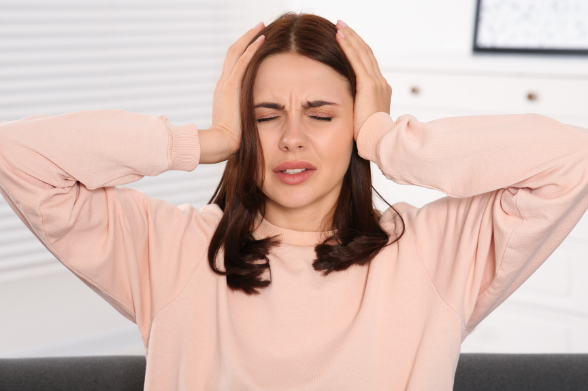
Definition and Overview
A hormonal imbalance occurs when there is an abnormal level of hormones in your bloodstream. Hormones are chemical messengers that regulate various bodily functions, including metabolism, mood, and reproductive processes.
When you have too much or too little of a specific hormone, it can lead to a variety of health issues. For example, an excess of cortisol, known as the stress hormone, might cause weight gain and anxiety, while low levels of estrogen can result in irregular menstrual cycles or vaginal dryness.
Types of Hormones Affected
Several hormones can be affected by imbalances, each playing a unique role in your body. Key hormones include:
Estrogen: Vital for sexual and reproductive health, its imbalance may lead to mood swings and menstrual irregularities.
Testosterone: Important for both men and women, low levels can cause lower libido and fatigue.
Thyroid Hormones: Control metabolism; imbalances can result in weight changes and energy fluctuations.
Cortisol: The stress hormone that influences various bodily functions; excessive cortisol can lead to stress-related health issues.
Each hormone's function is interconnected, meaning that an imbalance in one can affect others, leading to a cascade of health concerns.
Common Myths About Hormonal Imbalance
Several myths surround hormonal imbalances, which can contribute to misunderstanding these conditions. Here are a few:
Myth 1: Hormonal Imbalances Affect Only Certain Groups
Hormonal imbalances can impact anyone, regardless of gender or age. Factors such as stress, diet, lifestyle, and underlying health conditions play a significant role.
Myth 2: Only Older Adults Are Affected
Hormonal imbalances can occur at any age due to various factors, such as stress, diet, and lifestyle.Myth 3: Symptoms Are Always Obvious
While some symptoms are clear, such as weight gain or mood changes, others may be subtler and overlooked.
Recognizing these myths can empower you to seek appropriate care and take proactive steps toward maintaining hormonal balance.
Recognizing Symptoms of Hormonal Imbalances
Hormonal imbalances can manifest in various ways. Identifying these symptoms is essential for understanding the underlying issues and seeking appropriate treatments. Below are the key areas to consider when recognizing hormonal imbalances.
Physical Signs and Changes
Common physical symptoms of hormonal imbalance often include:
Acne: Breakouts can appear on the face, chest, or back due to fluctuations in hormone levels.
Weight Changes: Unexplained weight gain or loss can be a significant indicator.
Hair Issues: Thinning hair or hair loss can signal hormonal problems.
Fatigue: Persistent tiredness may stem from hormonal fluctuations.
Menstrual Irregularities: Changes in your menstrual cycle, including heavier or lighter periods, are crucial signals.
You may notice one or more of these signs. Keeping track of any changes can help you assess your condition effectively.
Mental and Emotional Symptoms
Hormones significantly influence your mood and emotional well-being. Signs to watch for include:
Mood Swings: Rapid changes in mood can indicate hormonal shifts.
Anxiety or Depression: Increased feelings of anxiety or depressive symptoms may result from hormonal imbalances.
Difficulty Concentrating: Struggling to focus can be linked to hormone levels affecting brain function.
Irritability: A heightened sense of irritability can also be tied to hormonal changes.
Recognizing these emotional symptoms can help you connect changes in your mood to potential hormonal issues.
Understanding Specific Symptoms
Certain symptoms may be more prevalent depending on individual circumstances, such as:
Libido Changes: Fluctuations in sexual desire often reflect irregular hormone levels.
Physical Strength and Energy: Unexpected changes in muscle strength or energy levels can indicate hormonal imbalances.
By understanding these signs and seeking timely care, you can work toward improved health and balance.
Underlying Causes of Hormonal Imbalances
Hormonal imbalances can arise from various lifestyle choices and medical conditions. Identifying these underlying causes is essential for effective treatment and management.
Lifestyle and Environmental Factors
Your daily habits play a significant role in maintaining hormonal balance. Factors such as stress, diet, and physical activity can directly influence hormone levels.
Stress: Elevated cortisol levels from chronic stress can disrupt other hormones.
Diet: A poor diet lacking essential nutrients can lead to imbalances. Incorporating healthy fats, proteins, and carbohydrates is crucial.
Exercise: Regular physical activity, helps regulate hormones, particularly resistance training. Conversely, a sedentary lifestyle can lead to weight gain, increased stress and hormonal issues.
Environmental factors also affect hormone levels. Exposure to endocrine disruptors like chemicals in plastics can impact your body's hormonal functions.
Medical Conditions and Genetics
Certain medical conditions can significantly contribute to hormonal imbalances. Conditions such as polycystic ovary syndrome (PCOS), thyroid disorders, and diabetes affect hormone production and regulation.
PCOS: This common condition can lead to excess testosterone, causing irregular cycles and weight gain.
Thyroid Issues: Hypothyroidism or hyperthyroidism can alter hormone levels, affecting metabolism and energy.
Genetics: Your family history can be an indicator of susceptibility to hormonal imbalances. Genetic predispositions can affect how your body produces and regulates hormones.
Understanding these factors is essential for seeking appropriate treatments, such as acupuncture and massage, which can support hormonal regulation.
How Hormonal Imbalances Impact Wellbeing
Hormonal imbalances can have a significant impact on your overall health and quality of life. Understanding these effects is crucial for recognizing symptoms and seeking appropriate treatment.
Short-Term Health Effects
In the short term, hormonal imbalances often manifest through noticeable symptoms that can disrupt daily activities. Common issues include:
Mood Swings: Fluctuations in hormone levels can lead to emotional instability, causing feelings of irritability or reduced self perceived ability to cope with daily stresses.
Fatigue: Changes in hormonal balance may result in reduced energy levels, leaving you feeling tired even after adequate rest.
Weight Changes: Rapid weight gain or loss can occur due to hormonal fluctuations affecting metabolism and appetite.
Sleep Disturbances: Imbalances can lead to insomnia or disrupted sleep patterns, impacting your ability to function throughout the day.
Recognizing these symptoms is essential for seeking timely intervention.
Long-Term Health Consequences
If left unaddressed, hormonal imbalances can lead to more severe health consequences over time. Long-term issues include:
Reproductive Health Problems: Hormonal imbalances can affect menstrual cycles, fertility, and sexual function, impacting relationships and self-esteem.
Mental Health Disorders: Prolonged hormone fluctuations are linked to increased risks of anxiety and depression, affecting your mental clarity and emotional well-being.
Bone Density Loss: Imbalances, especially in women, can lead to osteoporosis, increasing the risk of fractures and decreased mobility.
Chronic Conditions: Long-term hormonal issues may contribute to conditions like diabetes and heart disease, affecting your overall longevity and quality of life.
Acting early can help mitigate these risks and improve your well-being.
Holistic Therapies for Restoring Hormonal Balance
Restoring hormonal balance can be effectively approached through various holistic therapies. Two prominent methods include acupuncture and therapeutic massage. These treatments not only aim to alleviate symptoms but also address underlying issues contributing to hormonal imbalances.
The Role of Acupuncture
Acupuncture involves inserting thin needles into specific points on the body. This technique can stimulate hormones and enhance body function. Several studies indicate that acupuncture can help regulate menstrual cycles and reduce symptoms such as hot flashes and mood swings.
When targeting hormonal imbalance, practitioners often focus on points that correspond to endocrine glands. This can lead to increased blood flow and improved energy levels. Acupuncture can also promote relaxation, reducing stress, which is crucial since stress can significantly impact hormone production.
Benefits of Therapeutic Massage
Therapeutic massage offers numerous benefits for those experiencing hormonal imbalances.
Regular massage therapy has been shown to enhance lymphatic circulation, which may assist the body’s natural processes for metabolizing and clearing hormones and other biochemical byproducts. Many individuals report improved energy levels, emotional balance, and mood following treatment. The therapeutic nature of skilled touch also promotes parasympathetic nervous system activation, helping to create a sense of safety, relaxation, and physiological recovery.
Integrating Holistic and Conventional Approaches
Combining holistic therapies with conventional treatments can enhance your healing journey. While hormone replacement therapy may be necessary for some, integrating acupuncture and massage can improve overall outcomes. This integrative approach addresses both symptoms and root causes of hormonal imbalances.
Consult with healthcare professionals to create a tailored treatment plan that meets your unique needs. This collaboration enables you to leverage the strengths of both holistic and conventional medicine for optimal hormonal health. Consider how these therapies can compliment each other to restore balance effectively.
Acupuncture at Strive Holistic for Hormonal Health
Our acupuncture services offered at Strive Holistic, can play a crucial role in balancing hormonal health. This natural therapy supports the endocrine system and can help alleviate various symptoms associated with hormonal imbalances.
How Acupuncture Supports Endocrine Function
Acupuncture involves the insertion of thin needles at specific points on the body. This practice aims to restore balance and improve the functioning of the endocrine system.
By stimulating certain points, acupuncture can enhance blood circulation and reduce inflammation. Improved circulation allows your endocrine organs, such as the ovaries, adrenal glands, and thyroid, to function more effectively.
The balance of hormones, such as estrogen and testosterone, is vital for your overall health. Targeted acupuncture can help regulate these hormones, potentially easing issues like PMS, menopause symptoms, and fertility concerns.
Evidence-Based Benefits for Symptoms
Research indicates that acupuncture can effectively address symptoms related to hormonal imbalances. You may experience a reduction in anxiety, mood swings, and irritability through regular sessions.
Studies show that acupuncture can improve menstrual symptoms, reducing pain and irregularity. For women facing menopause, it may lessen hot flashes and night sweats.
In addition, acupuncture can support emotional well-being, offering a holistic approach to managing stress often linked to hormonal fluctuations. Engaging in acupuncture therapy not only targets physical symptoms but can also foster a greater emotional balance, enhancing your overall quality of life.
Massage Therapy for Hormonal Imbalances
Massage therapy can be a valuable support for individuals experiencing hormonal imbalances. It can help alleviate symptoms such as stress, anxiety, and discomfort linked to hormonal fluctuations, providing both physical and emotional relief.
Types of Massage Offered by Strive Holistic
At Strive Holistic, various massage techniques are available to address hormonal imbalances effectively. Key types include:
Deep Tissue Massage: It targets deeper muscle layers, helping to relieve tension and stress that may contribute to hormonal issues.
Cupping Therapy: Enhances circulation and helps to detoxify the body, which can support hormonal health.
Our skilled therapists customize each session based on your specific needs, ensuring that you receive the support necessary for your unique hormonal challenges.
Stress Reduction and Hormone Regulation
Stress management plays a crucial role in regulating hormones. Massage therapy can significantly reduce physical and emotional stress through various mechanisms:
Cortisol Reduction: Regular massage can lower cortisol levels, which are often elevated during periods of stress. This can help restore hormonal balance.
Increased Serotonin and Dopamine: Massage stimulates the release of these neurotransmitters, contributing to improved mood and well-being.
By incorporating massage therapy into your routine, you can create a more stable hormonal environment and enhance your overall health. Regular sessions can lead to improved stress management and hormone regulation, allowing you to feel more balanced and in control.
Self-Care Strategies and Lifestyle Changes
Incorporating effective self-care strategies and lifestyle adjustments can significantly impact your hormonal health. Focus on nutrition, physical activity, and stress management to create a balanced environment for your body.
Nutrition and Diet Recommendations
Nutrition plays a pivotal role in regulating hormones. Aim to incorporate whole foods such as:
Fruits and vegetables: These are high in antioxidants and fiber, supporting endocrine health.
Healthy fats: Include sources like avocados, nuts, and olive oil, which are essential for hormone production.
Lean proteins: Eggs, fish, and legumes provide the building blocks necessary for hormone synthesis.
Avoid highly processed foods and excessive sugar, as they can lead to spikes in insulin and disrupt hormonal balance. Staying adequately hydrated is equally important; aim for at least eight glasses of water daily. This can support metabolic processes and overall health.
Exercise and Physical Activity
Regular physical activity is crucial for maintaining hormonal balance. Aim for a mix of:
Cardiovascular exercises: Activities like running, cycling, or swimming enhance circulation and help reduce stress hormones.
Strength training: Lifting weights builds muscle mass and boosts metabolism, which can assist in hormonal regulation.
Flexibility exercises: Consider yoga or Pilates to improve flexibility and core strength while also facilitating relaxation.
Strive for at least 150 minutes of moderate-intensity exercise each week. This not only helps with weight management but also improves mood and energy levels, contributing positively to hormonal health.
Mindfulness and Stress Management
Managing stress is vital for hormonal balance, as high stress levels can lead to increased cortisol production. Implement techniques like:
Mindfulness meditation: Regular practice can promote relaxation and lower cortisol levels.
Deep breathing exercises: These can reduce anxiety and help stabilize your emotional state.
Spending time outdoors: Fresh air and nature can aid in lowering stress and enhance your overall well-being.
Consider setting aside time each day for these activities. Even short sessions can make a noticeable difference in your hormonal health over time.
Why Choose Strive Holistic for Hormonal Health Solutions?
At Strive Holistic, we specialize in tailored approaches to hormonal health, prioritizing personalized care and a positive client experience. Through our services, including acupuncture and massage, we provide a comprehensive focus on addressing your unique needs.
Personalized Treatment Plans
At Strive Holistic Massage, we create personalized treatment plans tailored to your specific hormonal health needs. Each journey begins with a thorough assessment of your symptoms and health history, allowing our team to develop a strategy that integrates acupuncture and massage for effective hormonal balance.
Our holistic approach ensures that we address not only your physical symptoms but also your emotional well-being and lifestyle factors. By focusing on the root causes rather than just the symptoms, we aim to help you achieve sustainable and lasting results. Regular evaluations keep your plan dynamic and responsive, optimizing your path to improved hormonal health and overall wellness.
Take the First Step Toward Hormonal Balance Today!
Ready to take the first step toward hormonal balance and holistic wellness? Book your personalized session with Strive Holistic today! Our expert team is here to craft a treatment plan tailored to your unique needs, helping you achieve sustainable, lasting results.
Schedule Your Appointment Now and experience the difference of truly personalized care. Your journey to improved hormonal health starts here!
Frequently Asked Questions
Hormonal imbalances can lead to various symptoms and health issues. Understanding these signs, treatment options, and the role of therapies like acupuncture and massage can help you navigate this complex topic.
What are the common indications that suggest a hormonal imbalance?
Common indications of hormonal imbalance include fatigue, weight fluctuations, mood swings, irregular menstrual cycles, skin issues like acne, and hair loss. You may also experience changes in libido or sleep disturbances. Recognizing these symptoms is the first step toward seeking appropriate treatment.
Which treatments are effective for hormonal imbalances in women?
Effective treatments for hormonal imbalances in women often involve hormone replacement therapy, lifestyle adjustments, and dietary changes. Supplementation or medications prescribed by a healthcare provider may also be recommended, depending on individual symptoms.
Can lifestyle changes improve symptoms of hormonal imbalances?
Yes, lifestyle changes can greatly improve symptoms of hormonal imbalances. Regular exercise, a balanced diet, stress management techniques, and adequate sleep can enhance hormonal health. These changes promote stability in hormone levels and improve your overall well-being.
How does acupuncture assist in managing hormonal imbalance?
Acupuncture may help manage hormonal imbalances by promoting blood flow and enhancing the body's natural regulatory mechanisms. It can alleviate symptoms such as stress and fatigue and improve menstrual cycle regularity. Many find it beneficial as a complementary approach to traditional treatments.
What are the potential risks of unaddressed hormonal imbalances?
Unaddressed hormonal imbalances can lead to serious health issues, including infertility, osteoporosis, and cardiovascular problems. Chronic symptoms may also affect your quality of life, leading to emotional or psychological distress. It’s essential to seek guidance if you suspect a hormonal imbalance.
In what ways can massage therapy be beneficial for hormonal balance?
Massage therapy can help alleviate physical stress and anxiety, which may contribute to hormonal imbalances. Techniques such as Swedish or deep tissue massage improve circulation and relaxation, promoting hormonal regulation. This holistic approach can complement other treatments you may be pursuing.